



The 991.1 GT3 Finger Follower Playbook: Catch It Early, Keep Your Engine
A shareable guide for 991.1 GT3 and GT3 RS owners — and the shops that look after them.
Article updated ·
We added answers to the questions owners and shops have asked most often since this guide was published—including inspection access, labor time, service intervals, worn-part response, the 991.2 engine swap, RPM strategy, and finding a qualified shop.
If you own a 2014–2016 991.1 GT3, or a 991.1 GT3 RS, you’ve probably heard the words “finger follower” whispered like a ghost story at cars and coffee. Here’s the good news: this is a known, inspectable, manageable wear item. Owners who look early and stay on a schedule keep their engines. For owners who wait for a misfire and a check-engine light, it’s often already too late — they’re the ones shopping for camshafts that can take months to source, or a whole engine.
This playbook is written so you can hand it to any qualified shop and they’ll know exactly what to check, what worn parts look like, and when to come back and look again. Have questions about your specific car? Book a Free Concierge Call With a Porsche Performance Expert.
What is a finger follower, and why should you care?
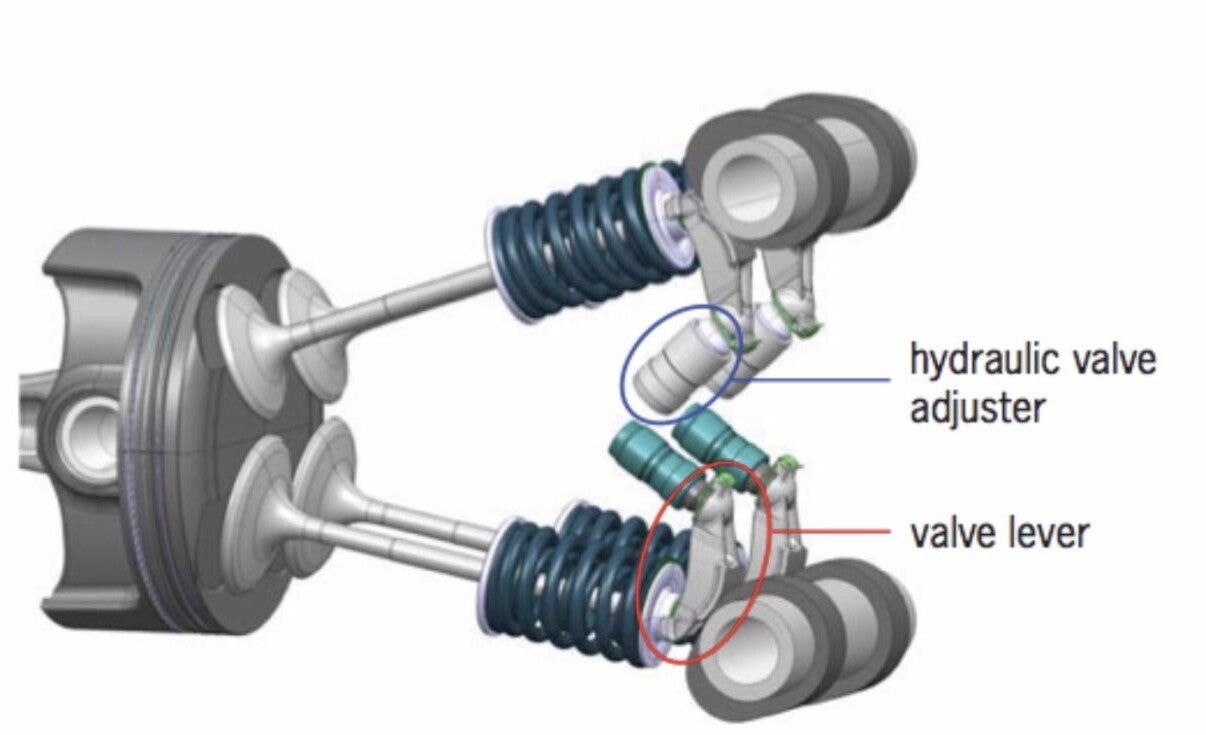
The 3.8L MA1.75 flat-six in the 991.1 GT3 (and the 4.0 in the RS) is a 9,000 rpm masterpiece, and part of how it gets there is a lightweight, rigid valvetrain. Instead of bucket tappets, each of the engine’s 24 valves is opened by a small pivoting lever — a finger follower (Porsche calls it a rocker arm in the parts catalog). The camshaft lobe sweeps across a hardened pad on top of the follower thousands of times a minute.
That contact pad is treated with a DLC (diamond-like carbon) coating — an extremely hard, low-friction layer that lets the cam lobe and follower survive at 9,000 rpm. This can be a long-lasting, no-issue setup — unfortunately, the engineers in Stuttgart didn’t get this one right. Once the coating is breached, bare steel rides on the cam lobe, and wear accelerates fast. Steel particles circulate through the oil system, the follower pad’s carbide digs into the cam lobe, and what started as an $80 part becomes a camshaft — or a full engine.
The backstory: what Porsche said and did
This isn’t forum folklore — Porsche acknowledged the problem publicly.
- 2014–2016: The 3.8 went through several engine revisions — commonly referred to by their letter series (E, F, G). Some owners started seeing high-rpm misfires and check-engine lights traced to worn finger followers and camshafts.
- 2017: After meeting with a group of concerned owners, Porsche GT boss Frank-Steffen Walliser explained the root cause: metallurgical inclusions too close to the surface of some finger followers, which, combined with how the car is driven, could lead to premature surface wear. Porsche developed revised followers and camshafts with improved manufacturing.
- August 2017: Porsche announced an extended engine warranty for all 991.1 GT3s: 10 years or 120,000 miles from the original in-service date, transferable to later owners. Cars that failed under this coverage generally received new engines with the latest-revision parts. Later cars with “G”-series engines got the updated parts from the factory.
Two important footnotes to that tidy story. First, Porsche said at the time that the GT3 RS and 911 R weren’t affected — but RS valvetrains wear the same way, and RS owners have documented camshaft and finger follower replacements (under a narrower repair, not a new engine). We treat the RS exactly the same way: inspect it. Second — and this is the part that matters in 2026…
The warranty has run out. The wear hasn’t.
Do the math on “10 years from in-service date”: a GT3 delivered in mid-2015 aged out of the extended warranty in mid-2025. By the end of this year, effectively the entire 991.1 GT3 fleet is out of coverage. The safety net that made this issue a shrug — “worst case, Porsche gives me a new engine” — is gone.
At the same time, the downside risk has grown. Owners in Europe have reported cars sitting at dealers for months waiting on camshafts and finger followers, with no delivery date. When a 12-year-old limited-production engine eats a camshaft, you’re not just paying for parts — you’re hunting for them.
The whole playbook in one sentence: a finger follower is an inexpensive part that fails slowly and visibly before it fails catastrophically — so look at it on a schedule and replace it the moment the coating is compromised.
Advanced symptoms of worn finger followers
By the time symptoms show up, wear is usually well advanced. Don’t wait for these — but if you have any of them, stop driving the car hard and get it inspected now:
- Misfires at high rpm (often the first sign — a worn follower changes valve lift enough to log misfires on that cylinder), with or without a check-engine light
- Ticking or tapping from the top of the engine. Be clear about what this means: audible ticking only shows up once a finger follower has actually separated from its lash adjuster — the wear has already gone all the way through the pad. If you can hear it, you’re not scheduling an inspection anymore; you’re scheduling a teardown.
- Rough running, flat spots, or a car that just feels “down on power” up top
- Rising iron in used-oil analysis, or visible metallic debris in the oil filter pleats
That last one deserves emphasis — in the wrong direction: if iron is trending up in your oil analysis, the DLC layer is already breached and the cam is wearing. Sampling the oil and cutting open the filter at every change costs almost nothing and is worth doing, but treat rising iron as an alarm that you’ve waited too long — not as a substitute for opening the covers and looking.
The inspection: what to ask your shop to do
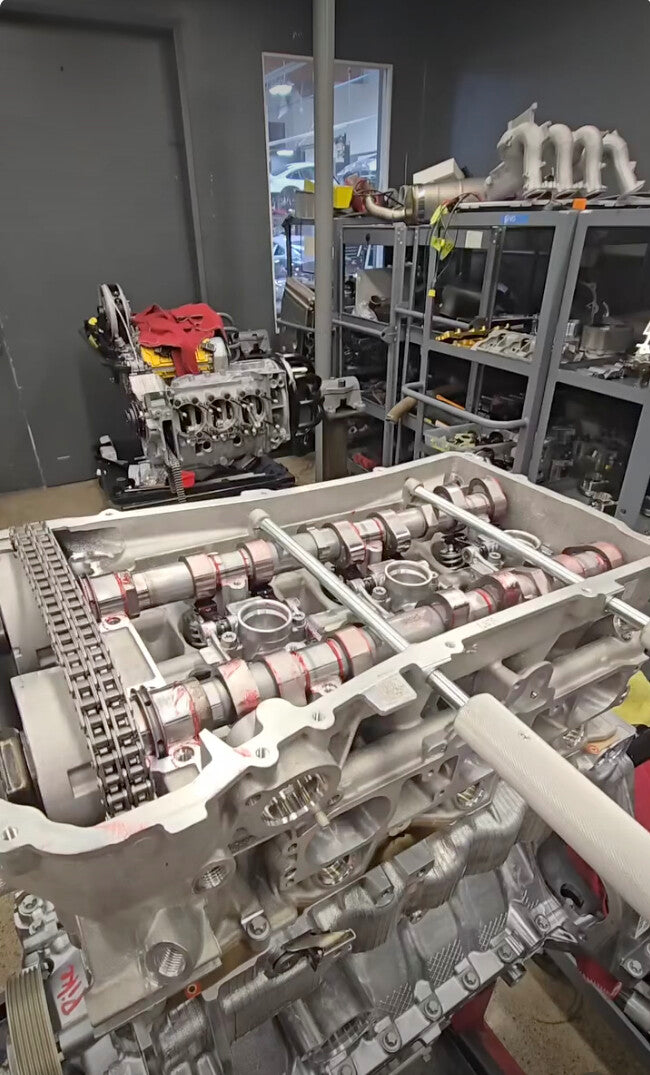
There is no dashboard light for this and no over-the-counter Porsche customer bulletin to point to—when cars failed under warranty, Porsche’s remedy was diagnosis by the dealer and replacement of the engine or the affected parts. The procedure below is the visual inspection we have recommended all along. A partial in-car look is possible, but you cannot inspect all 24 followers that way. A complete baseline requires engine removal, and if any followers need replacement, the engine must come out anyway. Beyond the cam covers, there is no deeper disassembly; a couple of valve-cover “chopsticks” from the Porsche tools catalog and the correct workshop procedure are all that is needed.
Labor planning: expect roughly 20 hours of labor for an engine-out, complete inspection, and reinstallation—plus any additional time and parts required to replace worn followers or camshafts.
The short version for your shop
- For a complete inspection, remove the engine. A partial in-car view cannot cover all 24 followers, and both cam covers need to come off for a proper baseline.
- Remove the cam covers (valve covers), using Porsche’s special tool — the “chopsticks.”
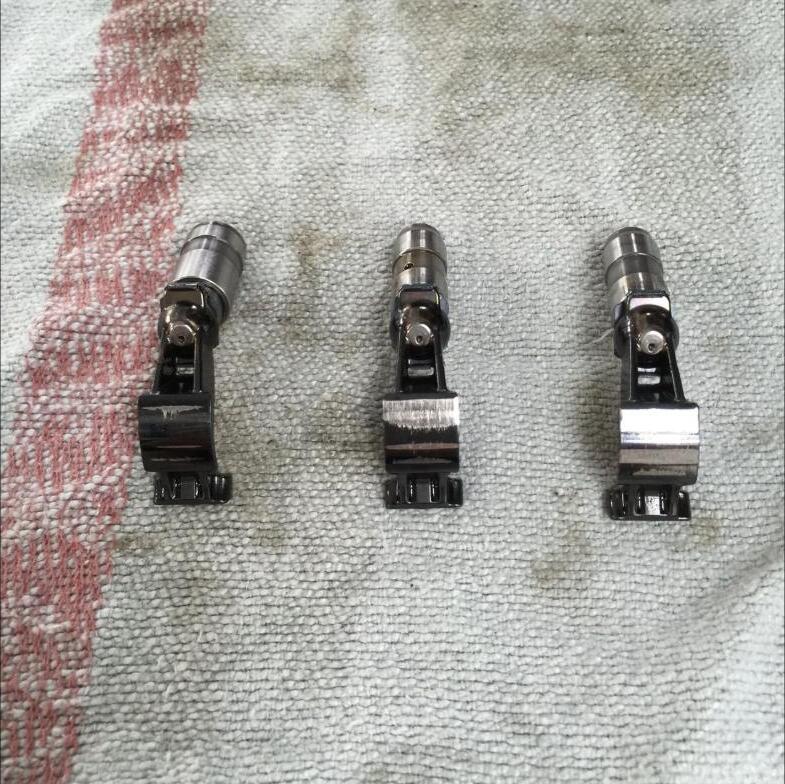
- Inspect the DLC contact pad on every finger follower — all 24. A healthy pad has a uniform, dark, almost mirror-like finish. Rotate the engine by hand so the full sweep of each pad can be seen, and inspect the pad surface at an angle under strong light.
- Inspect every camshaft lobe for scoring, scuffing, discoloration, or a visible wear step. The cam lobe tells you what the follower has been doing.
- Photograph everything. Every follower, every suspect lobe. The photos are your baseline for the next inspection — wear is a trend, and trends need data points.
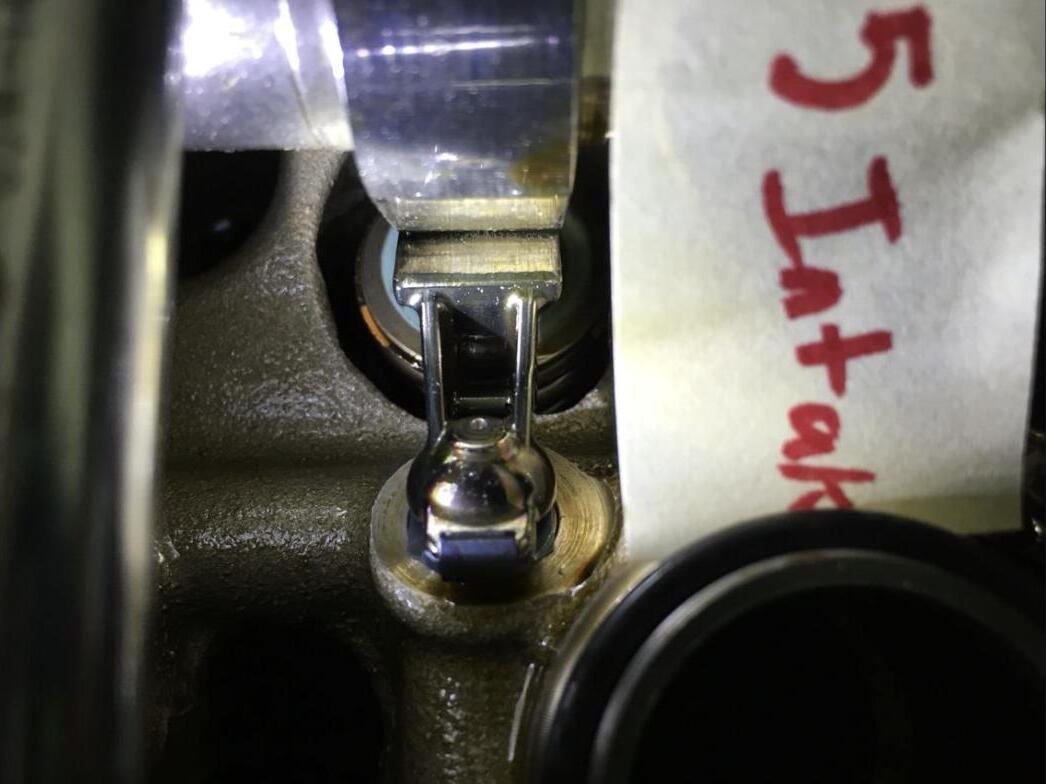
- Replace any follower that isn’t perfect. Reassemble with new cover seals per the workshop manual. As you roll the cam around you release pressure on the finger follower, and you can remove and replace them without taking out the camshafts.
For shops: Porsche’s official work instruction for removing and installing the cylinder head covers on this engine is in the 991 workshop manual on techinfo.porsche.com (PIWIS) — follow it for fastener torques, sealing, and the correct special tools.
What “worn” looks like
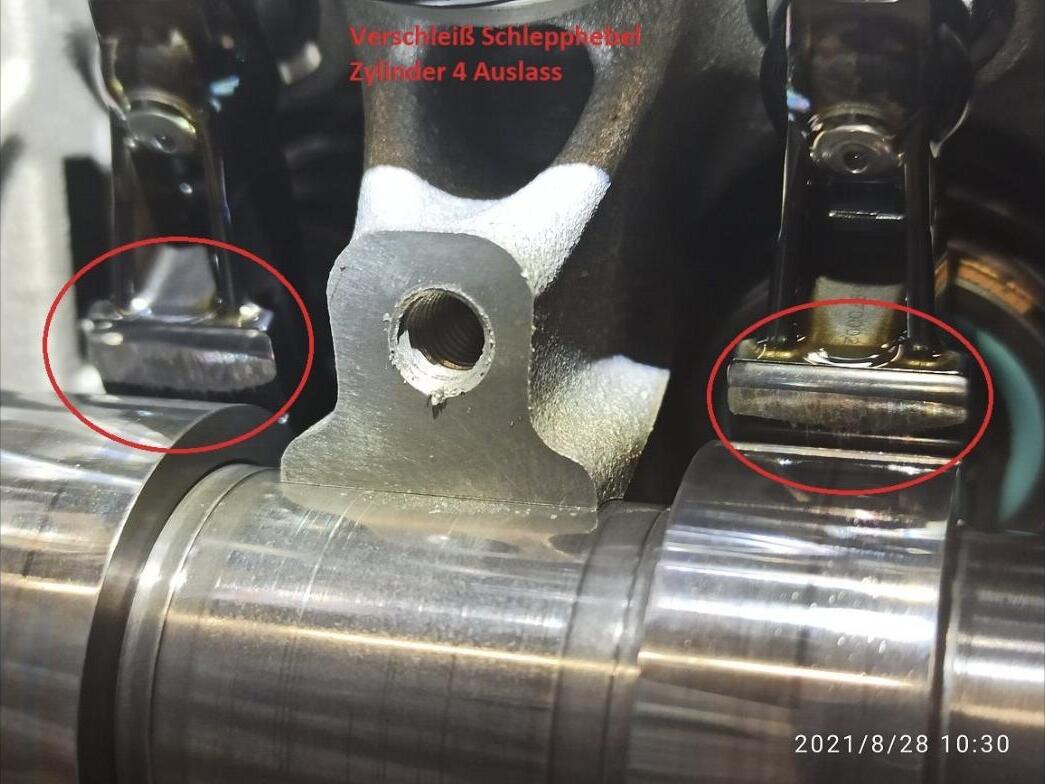
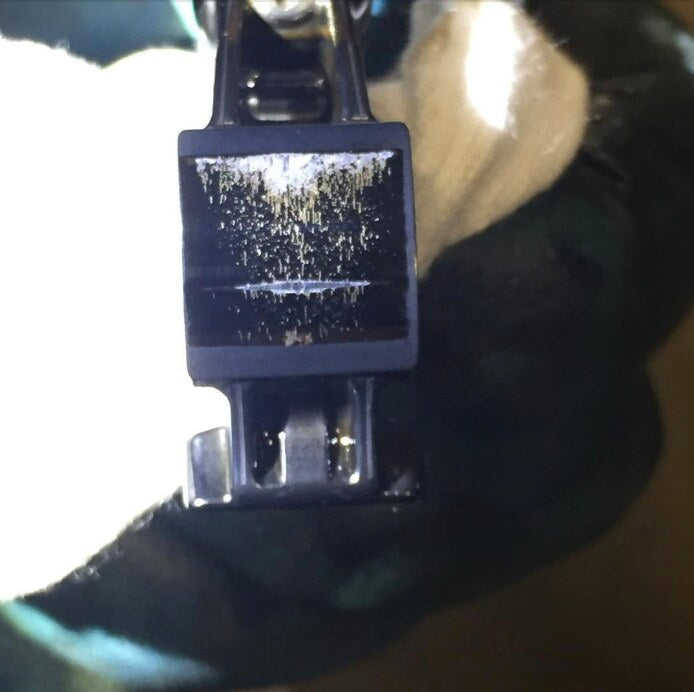
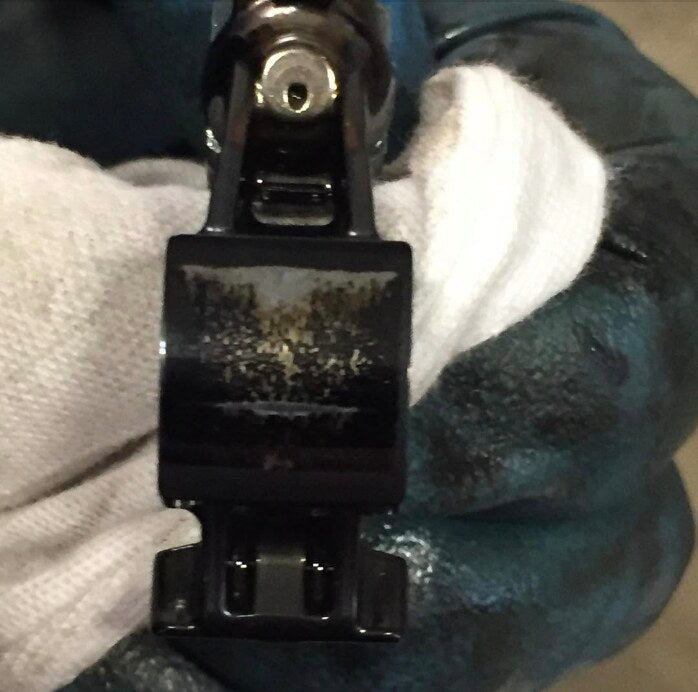
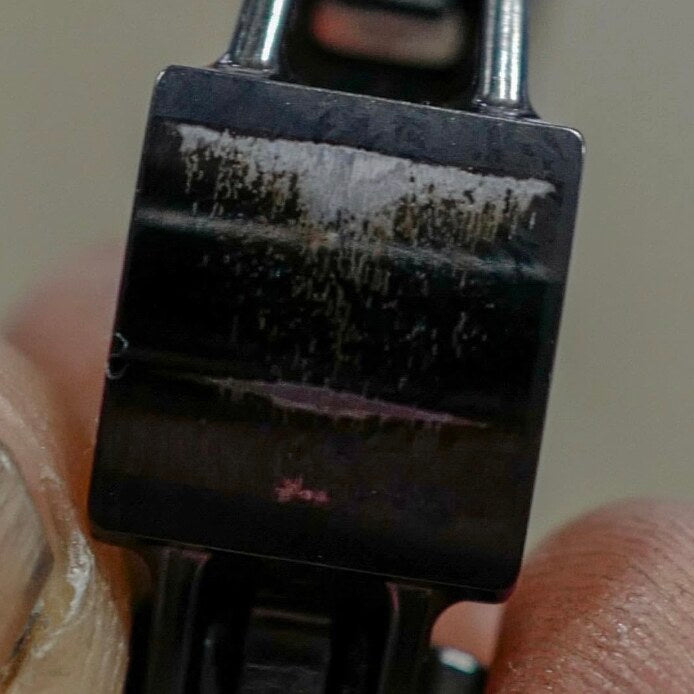
You are looking for the DLC coating being polished through, flaking, or chipped:
- Early wear: the black coating develops a dull, grey witness patch in the middle of the contact pad where the cam lobe sweeps — bare steel starting to show through the coating. The edges of the patch often look like a “shoreline” between dark coating and grey steel.
- Advanced wear: the grey patch grows, develops texture you can catch a fingernail on, and the matching cam lobe shows lines or scoring. Oil analysis iron is usually elevated by this point.
- Failure territory: pitted or galled follower pads, visibly stepped or scored cam lobes, misfires. At this stage you’re pricing camshafts, not followers.
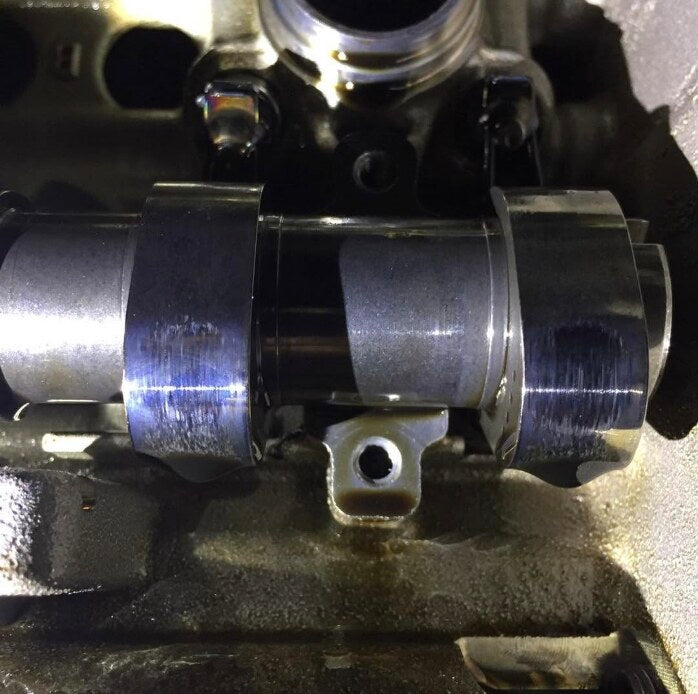
One wrinkle that raises the stakes on later cars: lightly worn camshafts on E- and F-series engines can sometimes be saved by regrinding. G-series cams can’t. Their lobes are DLC-coated like the followers, and once that coating is compromised there’s no grinding it back — the camshaft is replacement-only. That’s the whole reason we coach owners to inspect early and often: catch wear at the follower stage and you never have to have the camshaft conversation at all.
A full set of 24 followers is real money, but it’s substantially less than a camshaft set — and it’s scheduled, predictable spending instead of a seized weekend at the track and a flatbed ride home. BE WARNED: “it passed inspection two years ago” is not a status. The coating doesn’t heal. Inspection is a recurring appointment, not a box you tick once.
Want to see the failure mode end-to-end? HBi Auto’s video walks through a 991.1 finger follower failure — including what a follower looks like once it has separated from its lash adjuster, which is the point where you can actually hear the ticking. Their diagnosis is right on the money, matching exactly what we see when these engines come through our shop, and they’ve got the full factory tooling on hand, right down to what’s needed to pull the camshafts if the wear has gone that far:
Why replacing followers early is the cheapest insurance in Porsche ownership
Here’s the economics, and it’s not close:
| Scenario | Parts involved | Ballpark outcome |
|---|---|---|
| Caught early | Finger followers only (intake 9A1 105 035 91, exhaust 9A1 105 036 91 — roughly $100 each at retail) | Followers replaced during a planned service. Camshafts untouched. Car back on track. |
| Caught late | Followers + camshafts, possible full engine rebuild due to circulated metal | Thousands in parts — if you can get camshafts. Supply has been a months-long wait, along with tens of thousands in labor… |
| Not caught | New engine or full engine rebuild | Engine-out, five-figure rebuild or replacement engine. Out of warranty, that’s all you. |
The Dundon recommended schedule
The first inspection establishes the baseline. After that, set the interval around the engine series, what the first inspection shows, and how the car is used.
| When | What |
|---|---|
| Buying a 991.1 GT3 / GT3 RS | Include a complete finger follower inspection in the PPI. Ask for labeled photos, records of any prior follower replacement, and confirmation of the engine series—E, F, or G. |
| Street cars | E- and F-series engines should be checked more often than G-series engines. If the baseline is healthy and the car sees only occasional high-rpm pulls, an interval of up to roughly 8,000 miles may be reasonable. Shorten the interval for frequent 9,000 rpm use or any visible wear. |
| Track / DE cars | Inspect every season, roughly every 30–40 track hours, or no more than 5,000 miles between inspections—whichever comes first. Track duty keeps these engines at high rpm, where wear can accelerate. |
| Any wear found | Replace affected followers immediately. Inspect the corresponding cam lobes and replace the camshafts if they are worn. Re-inspect on a shortened interval afterward. |
FAQ
Expanded August 2026
These are the questions owners and independent shops have asked most often since we published the original playbook.
Inspection, service, and driving
Can I inspect the followers without removing the engine?
Yes—but only partially. Some followers can be viewed with the engine in the car, but you cannot inspect all 24. A complete baseline requires engine removal. If any followers need replacement, the engine must be removed anyway.
How often do I need to inspect the followers?
E- and F-series engines need to be checked more often than G-series engines. The first inspection establishes where the engine stands and allows existing damage to be corrected. After that, set the interval around the engine series, the first findings, and how the car is driven. For a track car, go no more than 5,000 miles between inspections. For a street car that sees only occasional high-rpm pulls, up to roughly 8,000 miles may be sufficient if the baseline is healthy. Shorten the interval if wear is found or the car regularly sees high rpm.
How long does an inspection take?
Plan on roughly 20 hours of labor for engine removal, a complete inspection, and reinstallation—plus any additional time and parts required to replace worn followers or camshafts.
What do I do if my followers are worn?
Replace the affected followers immediately. Inspect the matching cam lobes; if the camshafts are worn, they need to be replaced as well. Continue with the recommended inspection interval afterward. Send us labeled photos of the followers and cam lobes and we can help you evaluate what you are seeing.
Can shifting earlier or limiting RPM add life to the engine?
Yes. Running at lower rpm reduces the potential for accelerated wear on these components. Earlier shifts can help, but they do not replace the initial baseline or recurring inspections.
Can my local shop do this—and can Dundon recommend one?
These are still early days for many independent shops learning this inspection. The critical requirements are understanding the root issue, recognizing the wear patterns, evaluating the condition of the followers and cam lobes, and having the correct tools to perform the work. A competent technician experienced with these cars should have no trouble. Send us your location and we will share the resources we have available; we are also happy to review the shop’s labeled inspection photos.
Does oil choice matter?
Oil can’t fix a compromised coating, but fresh, high-quality oil keeps the valvetrain living its best life. Whatever you run, sample it at every change — and remember that a rising iron trend means wear is already underway and it’s time to open the covers now.
Engine series and swap options
My car has a “G” engine or a warranty replacement engine. Am I safe?
Safer, not exempt. The revised parts extend time until failure, but these are still high-load coated contact surfaces in a 9,000 rpm engine that’s now a decade old. And there’s a catch that cuts the other way: G-series cam lobes are DLC-coated and cannot be reground, so if wear does get past the followers on a G engine, the only fix is new camshafts. The inspection is cheap; run the same schedule.
I have a 991.1 GT3 RS—Porsche said mine isn’t affected.
We need to be blunt here, because the “RS is immune” myth is costing people engines. The 991.1 GT3 and GT3 RS share the same parts in the heads, so the issue is shared — the RS’s lower rev limit in the lower gears just slows the wear down, which kept RS failures off the community radar for years. That grace period is over: as we write this, five 991.1 GT3 RS owners have contacted us with failed engines needing full rebuilds, every one of them because nobody opened the covers until it was too late. A slower wear rate isn’t immunity — it’s a longer window to catch the problem cheaply, but only if you actually look. Same valvetrain parts, same inspection, same schedule.
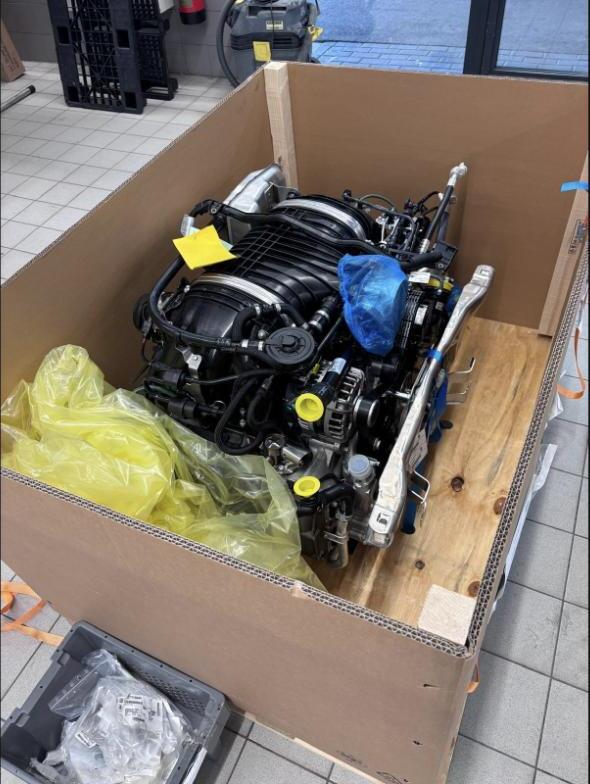
I want the 991.2 swap kit. Will Dundon source an engine for me?
Unfortunately, Dundon cannot source the donor engine for you. We can share helpful resources and assist you in identifying the right engine for your car.
How much will the 991.2 swap kit cost from Dundon?
We do not have final pricing for the swap kit yet. Watch our website and social channels for release details.
Why doesn’t Dundon make a valvetrain upgrade for the E-, F-, and G-series engines?
The parts require extreme precision and would be produced in very low volumes, which makes the program exceptionally expensive. Other proposed solutions have been priced close to $70,000—roughly the cost of two used 991.2 GT3 engines that already have the upgraded valvetrain. We are also concerned about installing a brand-new valvetrain into a used engine that may already have internal damage.
The bottom line
The 991.1 GT3 is a great driver’s car, and the finger follower issue is fully manageable — if you treat inspection as routine maintenance rather than a crisis response. Baseline it now, put it on a schedule, watch your oil, and replace worn followers the day you find them.
And one teaser before you go: Dundon is putting the finishing touches on a 991.2 GT3 (DGG) engine swap for the 991.1 GT3 — lots more power, and no finger followers to inspect. Reach out if you have questions.
Want us to baseline your car, set up engine health monitoring, or talk through an inspection your shop just did? Book a Free Concierge Call With a Porsche Performance Expert or get in touch. You can also see everything we do for this chassis on our 991.1 GT3 page and our engine program.
Sources & further reading: Porsche’s 2017 extended-warranty announcement (Carscoops, Motor Authority); Rennlist community threads linked above; PFF.de owner reports including a GT3 RS camshaft-supply case; Drives.today MA1 engine history.